
The Bioresonance Approach to
Allergies and Intolerance
We offer a more comfortable alternative for the days worn down by pollen, dust mites, animal dander and food sensitivities. At the Miza Life clinic in Cukurambar, Ankara, with a needle-free and drug-free bioresonance approach, we help balance your body's overreaction to allergens. Results vary from person to person; we draw up a road map tailored to you.
Allergen Assessment
We begin by measuring which substances your body overreacts to.
Which Types of Allergies Is It Used For?
From respiratory allergies to food sensitivities, across a wide spectrum, we aim to identify the allergen and balance the incompatible frequencies.
Pollen & Hay Fever
For seasonal pollen complaints that rise in spring and summer — such as sneezing, runny nose, itching and watery eyes — we aim to prepare your body with a program started before the season.
Dust Mites & Animal Dander
We aim to provide support for year-round complaints such as nasal congestion, coughing and skin itching that develop against house dust mites, mold spores and pet dander.
Food Intolerance
For those who experience bloating, digestive difficulty and fatigue after milk, gluten, eggs or various additives, we evaluate which foods you may be sensitive to.
Mold & Environmental Sensitivities
For sensitivities that develop against mold spores in damp environments, chemical odors and environmental triggers, we offer a supportive program aimed at balancing your body's reaction.
What Are Allergies and Intolerance, and Why Do They Occur?
An allergy is the immune system reacting far more strongly than necessary to a substance (an allergen) that is actually harmless. Substances such as pollen, dust mites, animal dander, mold or certain foods drive the body of sensitive people to mount a defense as if facing a "threat." The result is sneezing, runny nose, watery and itchy eyes, skin rashes or digestive complaints. The bioresonance allergy approach focuses on understanding this overreaction and balancing the body's incompatible response to the allergen.
Intolerance (sensitivity), on the other hand, has a different mechanism from allergy. While the immune system is directly involved in a classic allergy, digestive and metabolic processes are usually at the forefront in food intolerance. For example, bloating, gas, fatigue or headache that appear hours after consuming a food may point to an intolerance rather than a classic allergic reaction. Distinguishing between these two conditions is important for determining the right approach; for this reason, at Miza Life we first carry out a careful assessment.
From the perspective of bioresonance, allergens — like every substance — carry their own distinctive electromagnetic frequency. In a sensitive body, these frequencies can disrupt the body's own vibrational balance and trigger an excessive defense response. The aim of the method is to identify these incompatible signals and to support the body in restoring its balance. You can find more detail about the basis of bioresonance and how the devices work on our bioresonance working principle page.
Why allergies occur in some people but not in others cannot be attributed to a single cause. Many factors play a role together: genetic predisposition, environmental factors encountered in early childhood, the balance of the gut flora, stress levels and the chemical load brought by modern life. Over time, the immune system can begin to produce "false alarms" against certain substances; this faulty recognition lies at the root of the allergic picture. The bioresonance approach aims to address this faulty recognition process at the frequency level and to support the body's balance.
For Which Types of Allergies Is an Assessment Made?
The bioresonance allergy approach offers the possibility of assessment across a fairly wide range of triggers. Among the most commonly addressed topics are respiratory allergens such as pollen (hay fever), house dust mites, mold spores and animal dander. Such allergens usually manifest themselves with sneezing, nasal congestion and discharge, postnasal drip, itchy and watery eyes, and sometimes asthma-like breathing difficulties.
The second large group is food-related sensitivities. Milk and dairy products, gluten-containing grains, eggs, nuts such as hazelnuts and peanuts, and various food additives are among the common triggers. In addition, factors that can cause skin or systemic reactions — such as cosmetic products, detergents and cleaning chemicals, metal sensitivities and environmental odors — may also fall within the scope of the assessment. Seasonal respiratory complaints, especially bioresonance for pollen allergy, are among the most frequent requests we receive at our clinic.
Respiratory allergies often trigger one another. For example, a nose and upper respiratory tract that are already sensitized during pollen season may also react more strongly to house dust mites or to a cat. This is called the "allergic load": when the body tries to cope with more than one trigger at the same time, complaints multiply. For this reason, at Miza Life we prefer to address not just a single allergen but your overall sensitivity picture as a whole. Alongside the nasal complaints, we also take into account side effects that affect your quality of life, such as reduced sleep quality, constant fatigue and difficulty concentrating.
Each client's trigger profile is different. For this reason, the applied program is not a standard package but a process structured individually. Which allergens stand out in you, how often and in which seasons your complaints increase, the treatments you have received before and your general health condition are all decisive in shaping the program.
The Bioresonance Allergy Approach: Identifying and Balancing the Allergen
The bioresonance method's logic regarding allergies is built on two basic steps: first identifying the allergen, then trying to balance the incompatible frequencies the body produces against this allergen. During the application, the body's reactions to different substances are evaluated through the device. The aim is to determine which vibrations your body "overreacts" to and to help bring this response to a more balanced point.
The application is needle-free, drug-free and painless. In this respect, it is particularly appealing to clients who want to reduce their medication use, who are bothered by the side effects of antihistamines, or who wish to turn to natural and complementary methods. Nevertheless, we want to honestly state that the level of scientific evidence for this approach is debated and that it does not replace standard medical treatment. We position bioresonance as a supportive application that can be considered in addition to your existing treatment.
Food Intolerance Assessment
The bioresonance food intolerance test is one of the topics clients are most curious about. In this assessment, the body's responses to various food groups are observed through the device; the aim is to balance frequencies that appear incompatible. The process helps form an idea about which foods may be causing you discomfort.
Here we want to emphasize the most important point clearly: a bioresonance food intolerance assessment does not replace the clinical laboratory tests carried out in hospitals (blood tests, IgE/IgG measurements, etc.). It does not make a medical diagnosis and cannot be used for diagnosis. This is a complementary assessment, and its purpose is to offer an additional perspective to guide you while you review your eating habits. If you think you have a serious food allergy, you must consult a physician and have the necessary clinical tests done.
After the assessment, recommendations may be shared about reducing or rearranging, for a while, the foods thought to cause sensitivity, if any. To simplify your diet, ease your digestive system and support your general well-being, this process can also be planned together with our detox and immune support programs.
The Session Process and How Many Sessions Are Needed?
The process always begins with a free initial consultation and assessment. In this first step, we listen to your complaints, your allergy history and your lifestyle, and together we evaluate whether it is suitable for you. Afterwards, a personalized program is planned. The sessions usually consist of painless applications spent in a comfortable setting, lying down or seated.
There is no single standard answer to the question "how many bioresonance sessions for allergies"; because the number of sessions needed varies according to the type and severity of the allergy, how long it has been ongoing and your body's response. While a shorter program may be sufficient for mild seasonal complaints, the process is planned more comprehensively for long-standing situations with many triggers. The exact number of sessions and their intervals are determined individually for you after the assessment in the initial consultation.
Between sessions, we observe your body's response and, when necessary, rearrange the program. This flexibility is a natural result of the approach being personalized. Throughout the entire process, we recommend that you do not stop your current medications on your own and that you plan any changes only together with your physician.
Small adjustments you can make in your daily life are also important to support the effect of the sessions. Practical measures — such as keeping windows closed during peak pollen hours, changing clothes and showering as soon as you get home, washing bedding frequently, and freeing the bedroom of moisture and carpets against dust mites — can contribute to general relief when considered together with the bioresonance application. In the initial consultation, we also share such recommendations suited to your lifestyle. Our aim is to support a more comfortable period not only in the session room but also at home and in your daily routine.
Timing in Seasonal Allergies: Starting Before the Season
Timing is of great importance for pollen and other seasonal allergens. In Ankara, tree, grass and weed pollens become concentrated in different periods from spring to late summer. If your complaints usually increase in certain months, the most appropriate approach is to start the application a few weeks before the season begins. In this way, we aim to guide your body to enter the period when pollen intensity peaks more prepared.
It is also possible to start in the middle of the season, when complaints are already well established; however, early planning usually offers a more comfortable process. For this reason, we recommend that clients with seasonal allergies such as hay fever create a schedule by taking into account the period when their complaints began the previous year. In the initial consultation, we determine together the most suitable start time for you.
Many people with seasonal allergies experience a similar cycle at the same time each year: complaints rising in spring, discomfort lasting through summer, and symptoms gradually receding in autumn. Knowing this cycle is the greatest advantage of planning the program in advance. By evaluating together the course of your complaints in previous years, we carefully arrange the timing so that you enter the coming season more prepared. Clients who start early may report entering the busiest weeks of the season with a more balanced body; nevertheless, we want to remind you that these experiences are individual and do not include any guarantee.
Caution in Children and Sensitive Groups
Allergy complaints are also common in children, and families may be interested in natural, drug-free alternatives. In children, bioresonance should only be addressed after a careful assessment and on an individual basis. We recommend that a child definitely have an initial consultation before starting the process and, when necessary, that the opinion of a pediatrician be obtained. A child's current treatment and follow-up must never be neglected.
Complementary Method and Emergency Warning
Bioresonance is a complementary (supportive) method in allergy management. Never stop your prescription medications, antihistamines, asthma inhalers or any treatment given by your physician without consulting them. Bioresonance is not an alternative to these treatments but a support that can be considered alongside them.
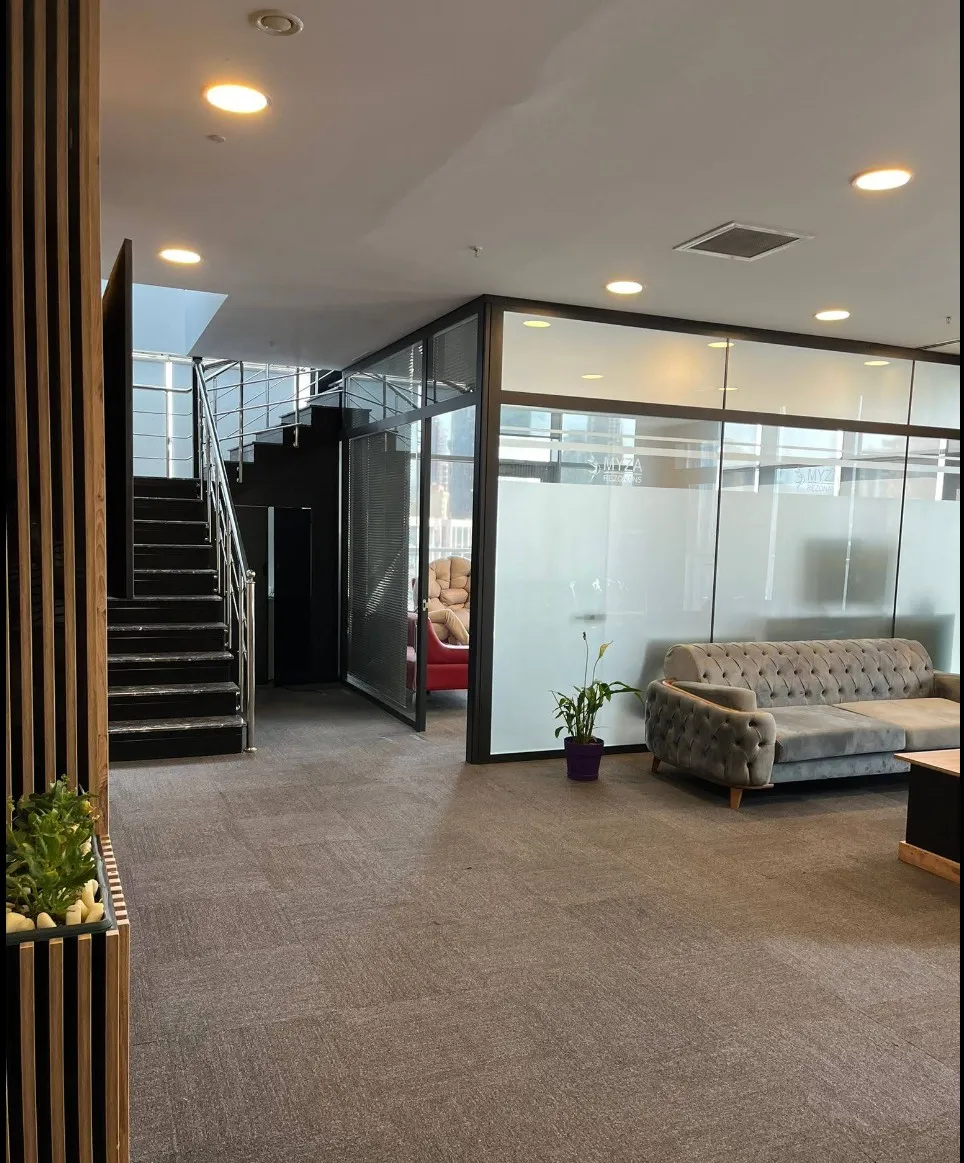
The Miza Life Experience
At the Miza Life clinic in Cukurambar, Ankara, we embrace an honest and realistic approach that devotes time to each client. Our aim is not to make exaggerated promises; it is to explain the method transparently, clarify your expectations and plan your process meticulously. Especially in seasonal respiratory allergies, we have clients who are satisfied with programs started before the season.
Clients who choose our clinic say they feel comfortable in a warm and calm environment. From the first consultation, we give clear answers to your questions and openly share what the method promises and what it does not. We make it a principle to state from the outset that bioresonance is not a miracle but a complementary process carried out with patience and conscious expectations. We believe that this transparent approach builds trust between us and our clients. You can talk to us about everything you wonder regarding your allergy and intolerance complaints, without any obligation, in a free initial consultation.
Allergy Therapy
Other experiences and results like Murat A.'s comment, for more allergy client experiences, can be found on our results page. Remember that these experiences are individual; we do not give any guarantee that the same result will be achieved for everyone. Let us talk together, in the most accurate way, about what is possible for you in a free initial consultation. To determine the most suitable starting point for you and to answer your questions, you can easily submit your appointment and initial consultation request.